
The Global Shipping Industry & Ocean Transportation: Market Overview, Trade Routes, and Fleet Dynamics
How ocean transportation moves 90% of international trade: deep analysis of containerization, bulk haulage, chokepoints, and the Red Sea maritime economy.
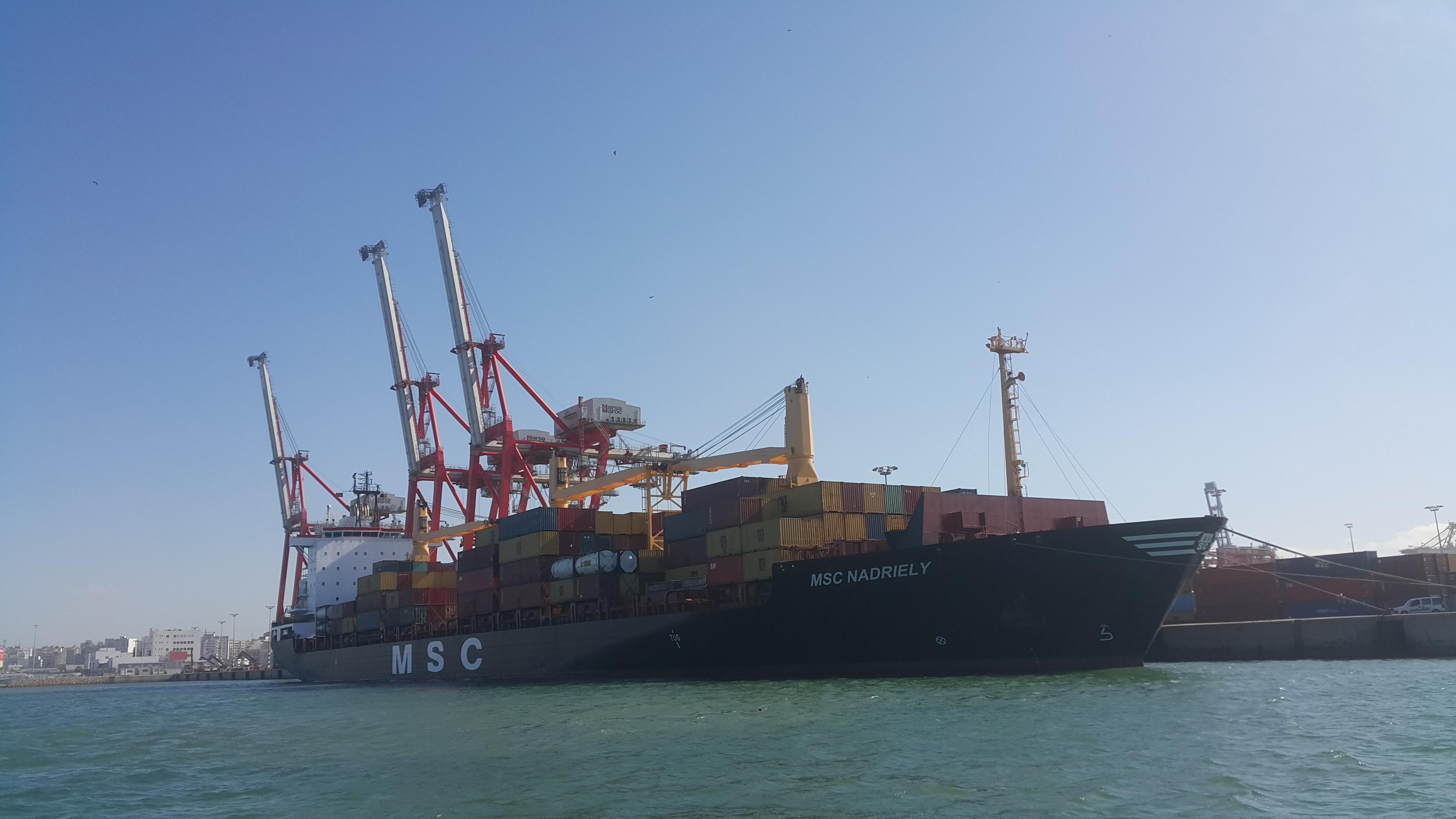
Global Shipping Economics & Trade Corridors
- Lifeline of Global Trade: Ocean shipping moves over 80% to 90% of global physical trade volume, hauling upwards of 11 billion tons of cargo each year.
- Strategic Red Sea Corridor: Between 12% and 15% of all global maritime cargo transits the Bab el-Mandeb chokepoint and the Suez Canal corridor.
- Mawani Logistics Hub Expansion: Saudi Arabia targets a top-10 global logistics ranking, scaling annual port capacity to 40 million TEUs under Vision 2030.
1. Global Shipping Economics & Tonnage Volume
Over 11 billion tons of commercial merchandise and raw commodities valued at $14+ trillion move across global sea lanes every year:
11 Billion Tons Annually
Global seaborne volume across container lines, dry bulk haulage, and tanker fleets, accounting for 90% of global physical goods.
$14 Trillion in Cargo Value
Estimated annual value of maritime freight, establishing ocean transport as the primary engine of global macroeconomic stability.
100,000+ Merchant Vessels
Commercial merchant vessels registered across international ship registers, maintaining scheduled liner and tramp routes.
2. Commercial Merchant Fleet Segmentation & Vessel Classes
The international merchant fleet is structured into five operational sectors tailored to distinct commodities:
3. Critical Maritime Chokepoints & The Strategic Red Sea Corridor
Critical maritime chokepoints dictate global liner transit times, with the Red Sea and Bab el-Mandeb shaping Asia-Europe supply lines:
Bab el-Mandeb & The Suez Canal
Transited by 12–15% of global commerce and 30% of container volumes; detour via Cape of Good Hope adds 10 to 14 days and heavy bunker costs.
Strait of Hormuz & The Arabian Gulf
The world’s most critical energy corridor, through which over 20% of global petroleum liquids transit toward global refining centers.
Saudi Red Sea Port Network
Jeddah Islamic Port, King Abdullah Port, and NEOM port infrastructure provide strategic transshipment, bunkering, and repair hubs.
4. Freight Mechanics & Surcharge Anatomy
The all-in container freight rate is governed by base ocean freight supplemented by dynamic operational surcharges:
Base Ocean Freight
Core quayside-to-quayside haulage charge driven by macro tonnage supply, consumer demand cycles, and spot market indices.
Bunker Adjustment Factor (BAF)
Floating surcharge indexed to marine fuel (VLSFO/MGO) spot prices, cushioning carrier margins against bunkering volatility.
Peak Season & War Risk Surcharges
Applied during pre-holiday shipping spikes (PSS) or in designated joint war committee conflict fairways (WRS) for extra hull insurance.
5. How Saudi Ports (Mawani) Are Reshaping Global Maritime Logistics
The Saudi Ports Authority (Mawani) is executing a comprehensive transformation to consolidate the Kingdom as a premier maritime hub:
Jeddah Islamic Port: Red Sea Transshipment Flagship
Handles over 70% of inbound sea imports across 62 quayside berths, featuring bonded logistics parks and advanced transshipment.
King Abdulaziz Port Dammam: Arabian Gulf Hub
Primary eastern seaboard gateway connected via dedicated freight railway lines directly to the Riyadh Inland Dry Port.
King Abdullah Port: Private Sector High-Efficiency Hub
The Middle East’s first privately owned and developed deep-water port, boasting 18m draft to receive the world’s largest ultra-large boxships.
6. Frequently Asked Questions: Ocean Transportation & Freight Logistics
Need Maritime Engineering or Commercial Fleet Solutions?
BAHAR World provides German naval architecture expertise for commercial workboats, pilot launches, and fleet drydock sustainment across Saudi ports.
BAHAR World Strategic Intelligence Team
Global Maritime Trade & Fleet Operations Unit
Strategic intelligence specialists monitoring global ocean freight volumes, Red Sea liner schedules, and bilateral German-Saudi fleet operations.
BAHAR World Marine Engineering Divisions
Shipping Companies in Saudi Arabia
How commercial vessels call at Saudi ports and live AIS tracking.
Shipbuilding in Saudi Arabia
Complete industry guide to shipyards, patrol craft, and modern vessel building.
Ship Maintenance & Drydocking
Planning drydock periods, classification surveys, and coating maintenance.
Contact BAHAR World
Connect with our engineering desk for custom workboat commissioning.