
Maritime & Port Jobs in Saudi Arabia: Jeddah Careers and STCW Training | Bahar World
Career routes in Jeddah and the training you need: seafaring, terminal operations, shipyard engineering, and logistics planning.
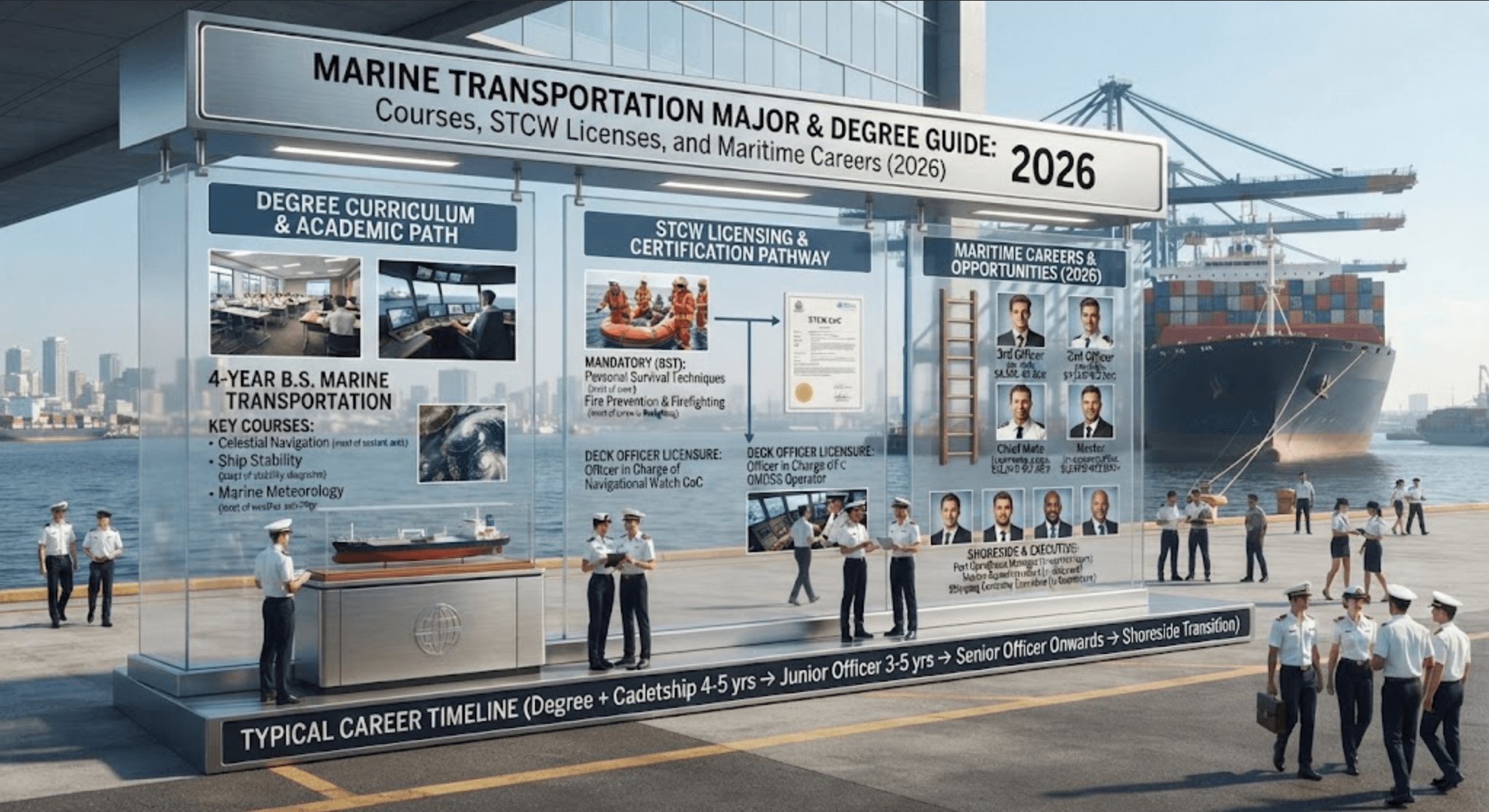
Key Takeaways & Executive Summary
- Four Diverse Career Pathways: The maritime workforce spans four core domains: sea-going navigation, port terminal management, shipyard engineering, and shore logistics.
- Strategic Role of Jeddah Islamic Port: Jeddah Islamic Port handles over 70% of inbound sea imports, driving thousands of high-skill berths in cranes, pilotage, and drydocking.
- Mandatory STCW Standards: All sea-going officers and ratings require accredited STCW basic safety training and CoC certifications certified by the Transport General Authority.
- Technical Trades & Maritime English: Class-certified welding tickets, marine diesel mechanical skills, and fluency in IMO Standard Marine Communication Phrases (SMCP) command top demand.
Four Career Routes in the Maritime Sector
The maritime industry encompasses diverse professional vocations ranging from deep-sea navigation to shipyard manufacturing:
Sea-Going Roles
Deck officers navigate and manage the vessel, marine engineers operate propulsion plants and auxiliary machinery, and certified ratings support watchkeeping. These roles are governed by mandatory international STCW certification frameworks.
Port and Terminal Operations
Quayside gantry crane operators, berth and stowage planners, port safety and security officers, and stevedoring cargo-handling teams keep vessels loading and discharging around the clock.
Shipyard and Marine Engineering Trades
Certified marine welders, fitters, marine electricians, industrial blasters/coaters, naval architects, and shipyard superintendents construct, repair, and refit vessels within drydocks and repair yards.
Shore-Based Logistics and Planning
Documentation officers, vessel schedulers, customs brokers, and port coordinators link ocean-going vessels with inland supply chains, specialized freight forwarders, and multimodal dry ports.
What Port Work in Jeddah Involves
Jeddah Islamic Port represents the Kingdom’s premier Red Sea logistics gateway across several specialized operational departments:
Container Terminals & STS Cranes
Operating and maintaining ship-to-shore gantry cranes, container straddle carriers, and yard allocation planning.
Marine Pilotage & Tug Operations
Harbor marine pilots, ASD tug masters, and deck crew maneuvering mega-container vessels through navigational fairways.
Ship Repair & Floating Drydocks
Mechanical overhauls, hull steel renewals, grit blasting, and marine coating application within Jeddah’s drydock yards.
Bonded Logistics & Warehousing
Supervision of bonded customs warehouses, freight consolidation, cross-docking, and container freight stations.
Training and Standards Employers Look For
Maritime employers mandate rigorous vocational certifications verifying practical seaworthiness and safety compliance:
STCW International Standards
The International Convention on Standards of Training, Certification and Watchkeeping (STCW) sets the global baseline for seafaring personnel, encompassing Basic Safety Training (BST), advanced firefighting, medical first aid, and officer competency certifications.
Advanced Simulator Training
Full-mission bridge navigation simulators (such as DNV Class-A accredited suites) enable cadets and officers to practice complex vessel handling, collision avoidance regulations (COLREGs), and crisis management in zero-risk virtual environments.
Technical and Trade Qualifications
For shipyard trades and port engineering disciplines, accredited vocational trade credentials—such as certified welding passes, non-destructive testing (NDT), marine electrics, and diesel overhauls—are valued as highly as university degrees.
Maritime English (SMCP)
English is the universal operational working language of maritime commerce. Familiarity with IMO Standard Marine Communication Phrases (SMCP) is a practical requirement across virtually all sea-going roles and international port interfaces.
Maritime Career Comparison & Qualification Matrix
Direct matrix examining working environments, credential prerequisites, and advancement ceilings:
| Career Track | Representative Roles | Key Required Credentials | Working Environment | Growth Horizon |
|---|---|---|---|---|
| Sea-Going (Deck & Engine) | Deck Officer, Marine Engineer, Certified Rating | STCW BST, Maritime Medical Fit, Marine Academy Degree | At sea (4hr watch/8hr rest cycles; extended voyage contracts) | Progression to Master Mariner or Chief Engineer |
| Port & Terminal Operations | Gantry Crane Operator, Berth Planner, HSE Inspector | Technical Diploma, Heavy Equipment License, Port Safety | Quayside & container yards (24/7 rotating shift schedules) | Terminal Operations Director, Port Planning Manager |
| Shipyard & Marine Engineering | Certified Marine Welder, Ship Fitter, Naval Architect | Class Welding Pass, NDT Ticket, B.Sc. Naval Architecture | Graving docks, outfitting quays, metal fabrication halls | Drydock Project Manager, Lead Shipyard Superintendent |
| Port Logistics & Ship Husbandry | Shipping Husbandry Agent, Line Coordinator, Customs Broker | Fluent English (SMCP), Logistics or Maritime Business Degree | Port authority offices, customs halls, dry port inland depots | Managing Port Director, Regional Supply Chain Head |
Practical Steps to Launch Your Maritime Career
A structured 5-stage action plan for entering the commercial maritime workforce:
Choose Your Preferred Career Route
Evaluate whether your technical strengths and lifestyle preferences align with sea-going navigation, terminal operations, hands-on shipyard trades, or commercial logistics.
Verify Entry Requirements
Review academic prerequisites, maritime medical fitness standards, and licensing criteria established by the competent maritime authorities and accredited institutes.
Complete Accredited Training
Enroll in recognized training programs, ensuring you obtain valid STCW safety certificates for sea service or accredited technical diplomas for shoreside engineering.
Build a Compliant Maritime CV
Construct a professional maritime résumé highlighting valid certifications, issuing bodies, expiry dates, sea time records (discharge book), and technical proficiencies.
Apply Through Official Employer Channels
Submit applications exclusively via verified employer career websites and accredited industry boards. Legitimate maritime employers never charge candidate fees.
Frequently Asked Questions: Maritime & Port Jobs in Saudi Arabia
Inquire About Marine Career Development & Shipyard Training
BAHAR World supports domestic maritime capacity building through hands-on technical programs in vessel construction, drydock mechanics, and advanced boatbuilding.
BAHAR World Maritime Academy & Workforce Training Desk
Bilateral Maritime Education & Workforce Development
Maritime education specialists and shipyard engineers advising on STCW navigation licensing, technical apprenticeships, and workforce development.
BAHAR World Marine Engineering Divisions
Shipping Companies in Saudi Arabia
How commercial vessels call at Saudi ports and live AIS tracking.
Ship Maintenance & Drydocking
Planning drydock periods, classification surveys, and coating maintenance.
Shipbuilding in Saudi Arabia
Shipyard hubs, commercial workboats, and naval patrol craft manufacturing.
Contact BAHAR World
Get in touch for training advisory and shipyard apprenticeship insights.