
Shipping Companies in Saudi Arabia: How Vessels & Cargo Move | Bahar World
How vessels and cargo move through the Kingdom’s ports: carriers, ship managers, terminal operators, and marine engineering support.
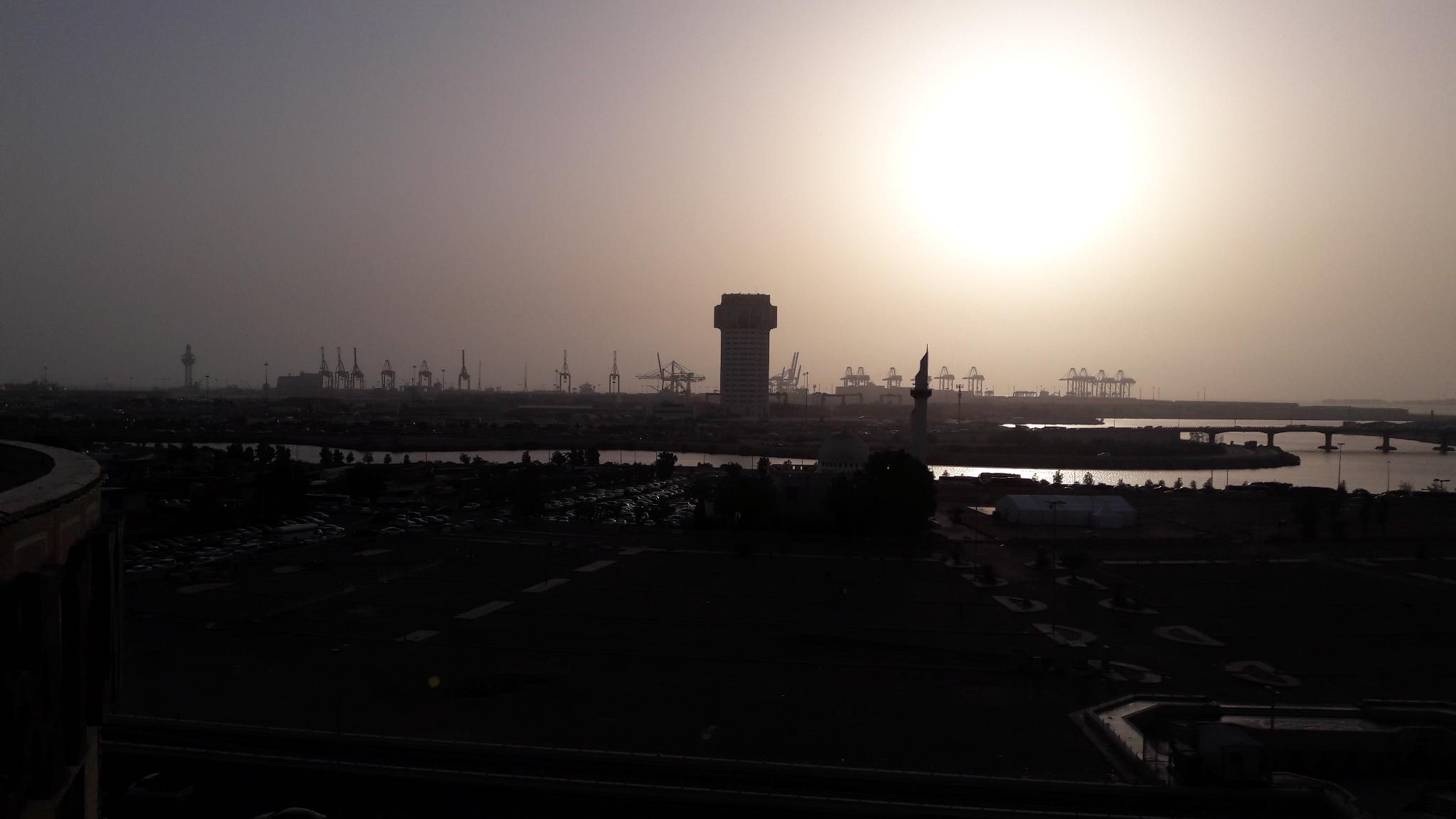
Strategic Crossroads Between the Red Sea and Arabian Gulf
- Diverse Industry Architecture: The shipping ecosystem spans carriers, commercial ship managers, port terminal operators, shipping agents, and marine engineering shipyards.
- Vessel Port Call Lifecycle: A standard port call moves from advance notice and berth allocation through pilotage, cargo handling, customs clearance, and departure.
- Vessel Seaworthiness & Safety: Fleet reliability depends on strict IACS class survey compliance, clean underwater hulls, and sustained propulsion maintenance.
The Main Players in Maritime Shipping
When a commercial vessel docks at a hub like Jeddah Islamic Port or King Abdulaziz Port in Dammam, multiple stakeholders work in precise synchronization:
Carriers and Shipowners
Operate container ships, bulk carriers, tankers, and ro-ro vessels, and earn revenue by moving cargo across ocean lanes.
Ship Managers
Run crewing, technical upkeep, class compliance, and safety management systems on behalf of vessel owners.
Port and Terminal Operators
Provide berths, gantry cranes, storage yards, bonded facilities, and heavy quayside handling equipment.
Shipping Agents
Handle the statutory paperwork, port authority clearances, customs formalities, and local arrangements for a vessel’s call.
Shipyards and Marine Service Providers
Build and repair vessels, supply certified spare parts, train technical crews, and construct harbour infrastructure. This is the specialised part of the chain where Bahar World operates.
What Happens When a Ship Calls at a Port
A step-by-step operational timeline of a commercial vessel call:
Arrival Notice & Berth Planning
The shipping agent informs the port authority well in advance with draught and manifest data, and an optimal berth is allocated.
Pilot and Tugs Assistance
A licensed local harbour pilot takes navigational command through the fairway, assisted by powerful tugboats for controlled berthing.
Berthing & Cargo Operations
Lines are secured to the quayside bollards. Quayside gantry cranes begin discharging and loading containers, dry bulk, liquids, or breakbulk.
Documents & Customs Clearance
Customs declarations, manifests, inspection clearances, and bills of lading are processed by the shipping agent and cargo forwarders.
Departure to Next Destination
With cargo operations completed, bunkers replenished, and port clearance granted, the vessel unberths and sets sail for its next destination.
How Ship Movements are Tracked
Commercial vessels continuously broadcast positional, navigational, and draft telemetry via the Automatic Identification System (AIS) for safety of navigation.
Terrestrial Coastal Receivers
Coast-based antennas receive line-of-sight VHF signals within 20 to 30 nautical miles, feeding real-time vessel traffic management systems (VTS).
Satellite AIS Constellations
Low-Earth-orbit satellite constellations capture VHF bursts in deep-sea corridors beyond terrestrial radar reach.
Vessel Traffic Services (VTS)
Port authorities fuse live AIS with coastal radar and CCTV to manage traffic density, fairway separation, and safe channel approaches.
Cargo Ports are Not All the Same: Terminal Specializations
Commercial cargo ports are engineered around specific cargo categories and handling equipment:
Container Terminals
Equipped with ship-to-shore (STS) gantry cranes and automated container yards for handling standard 20ft and 40ft containers (TEUs).
Bulk Cargo Terminals
Engineered for dry bulk such as grain, iron ore, and clinker, utilizing high-capacity conveyor belts, pneumatic suckers, and silos.
Roll-on/Roll-off (Ro-Ro) Berths
Dedicated quays with stern and quarter ramps allowing cars, trucks, and heavy wheeled machinery to drive directly on and off.
Liquid Bulk & Petrochemical Jetties
Specialized marine jetties equipped with loading arms and manifold pipelines for crude oil, LNG, and refined petrochemical products.
Why the Condition of the Ship Matters for Operators
Operational profitability and charter reliability directly reflect the structural health of a vessel’s hull and propulsion plant:
IACS Classification Compliance
Valid class certificates from IACS members like DNV or Lloyd’s Register are mandatory for commercial insurance and statutory operating licenses.
Hull Hydrodynamics & Fuel Economy
Biofouling accumulation on hull plates increases skin friction and can drive up bunker consumption by 10% to 20%, requiring timely drydock maintenance.
Port State Control (PSC) Readiness
Strict port state safety audits inspect lifesaving, firefighting, and pollution prevention systems; deficiencies risk immediate detention.
Frequently Asked Questions: Shipping Companies & Vessel Movements
Connect With Our Shipyard & Marine Engineering Team
Whether you operate a commercial fleet, require drydock repair capacity, or plan bespoke commercial vessels for operations in Saudi waters.
BAHAR World Fleet & Port Operations Desk
Bilateral German-Saudi Marine Engineering Group
Fleet operations and shipyard superintendents supporting shipowners, port agencies, and commercial carriers across Red Sea and Gulf hubs.
BAHAR World Marine Engineering Divisions
Ship Maintenance & Drydocking
Planning drydock periods, classification surveys, and coating maintenance.
Shipbuilding in Saudi Arabia
Shipyard hubs, commercial workboats, and naval patrol craft manufacturing.
Maritime & Port Jobs
Career routes in Jeddah, STCW certifications, and terminal operations.
Contact Marine Operations
Connect with our team for shipyard support and newbuild inquiries.